
Arrest Warrants in Middlesex County
An arrest warrant gives police the legal power to take a person into custody on a criminal charge. Massachusetts treats it as signed process: the document names or describes the person and states what the charge is. That makes it different from a default warrant, which steps in after a missed obligation in a case that already exists. Once issued, the order can be executed anywhere in the state, and it does not wait for a convenient moment. Most criminal cases in Middlesex County begin in one of the twelve District Court divisions. If an indictment follows, the matter can move up to Superior Court in Woburn or Lowell.
Signed Process and Middlesex Arrest Warrants
Criminal Procedure Rule 6 governs this process across Massachusetts. A District Court justice or clerk-magistrate may authorize a warrant in a criminal case, with an exception for a juvenile under twelve. After indictment, a Superior Court justice can issue one instead. The rule requires a signature and requires that the paper identify the person and the charge. Rule 6 also offers a gentler alternative. A summons, when it is enough to secure an appearance, lets the court skip the arrest warrant entirely. Middlesex County courts work from that same framework.
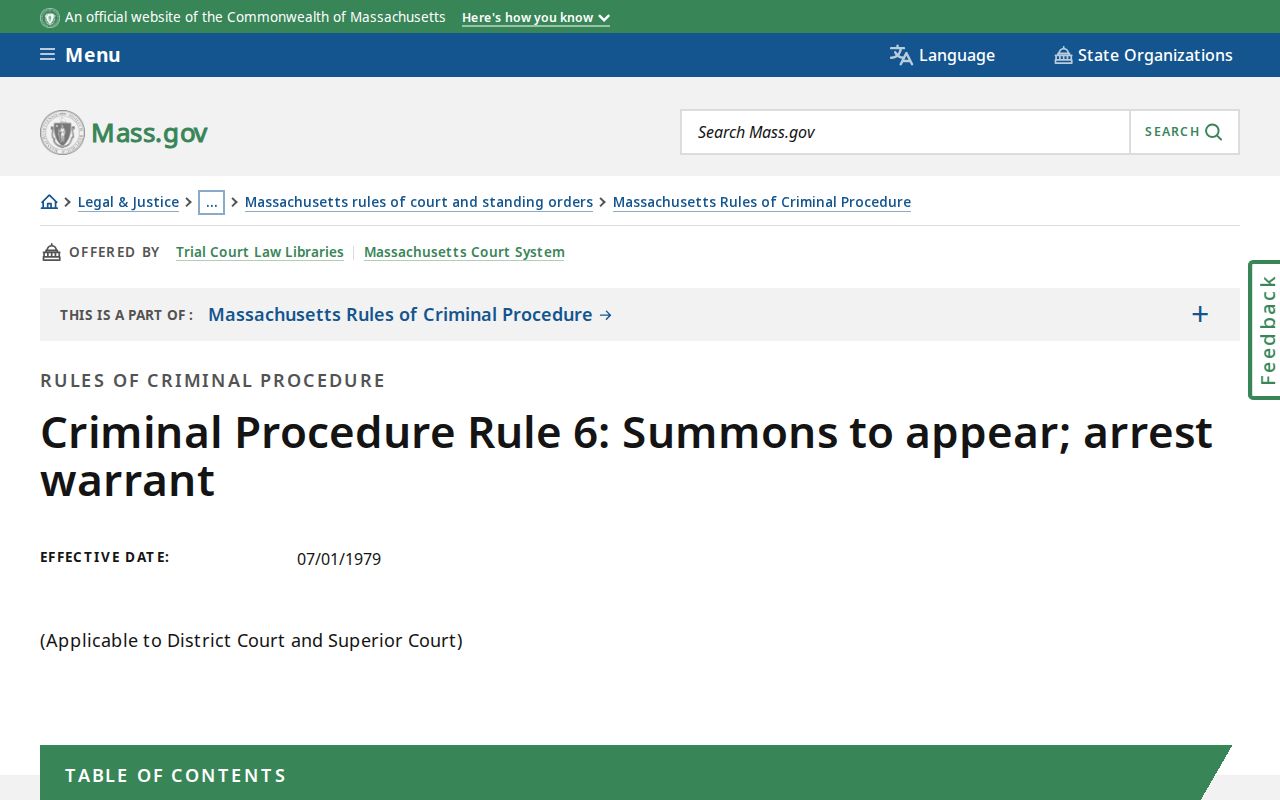
The governing rule sets two things: who may authorize a Middlesex County arrest warrant, and what the document itself must command. It directs an officer to arrest the named person and bring them before the court. Any police department can serve that order. It cannot withdraw one. Only the issuing court controls the life of a Middlesex County warrant.
What a Middlesex Arrest Warrant Contains
The same core fields appear whether the warrant sits on paper or in the state system. That is true across Middlesex County. With the case number in hand, you can ask the right question at the clerk's counter.
| Warrant and case number | The court's identifiers, shown here as DIV-YYYY-######: division, year, then sequence. |
|---|---|
| Subject name and description | The person named, with the description that supports an identification. |
| Charge | The offense stated in the complaint or indictment. |
| Issuing court | The District Court division or Superior Court location that signed it. |
| Issuing authority | The justice or clerk-magistrate who authorized the process. |
| Bail and conditions | Any release amount or condition tied to the case, which is not the same as a court balance. |
| Status | Outstanding, served, recalled, quashed, or returned. |
| Access flag | Any sealed, impounded, juvenile, or law-enforcement-only restriction. |
Note: A public screen in Middlesex County may list the docket event without showing the live enforcement status behind it.
Which Middlesex Court Issues an Arrest Warrant
Four kinds of court issue warrants in Middlesex County. The case number tells you which one holds the file.
| Court | What It Handles | Where It Sits |
|---|---|---|
| District Court | Most criminal complaints and lower-level charges | Twelve divisions across the county |
| Superior Court | Felony matters, and warrants after indictment | Woburn and Lowell |
| Probate and Family Court | Family and probate order process, including contempt | North Lowell and South Woburn |
| U.S. District Court | Federal charges, which never sit in the state system | Federal courthouses in Massachusetts |
Felony filings go to the Middlesex County Superior Court location on Tradecenter Drive in Woburn. The Lowell location on Jackson Street handles its own share.
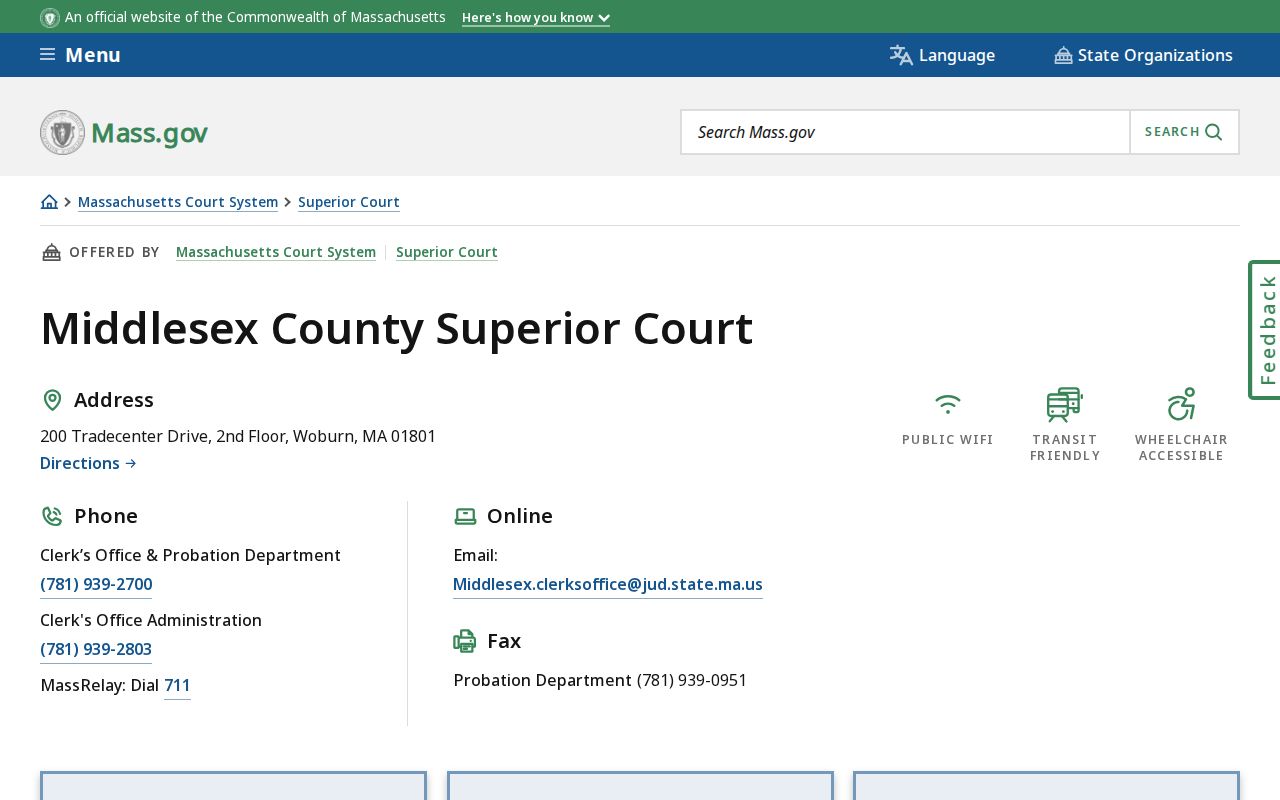
A Superior Court warrant follows an indictment. That means the file starts in a different place than a Middlesex County District Court complaint.
Cambridge Policy 16 and Middlesex Warrants
How does service look on the street? Cambridge Police policy answers that. Before acting on a warrant, officers must confirm the court's authority for it, check the person's identity against the description on file, and verify the offense and the grounds for arrest. The policy also covers booking. A printout may be used there. It further recognizes the right of a person arrested in Middlesex County to know the true grounds for the arrest. Anyone weighing what officers verify during a Cambridge arrest can read the policy itself.
How Middlesex Arrest Warrants Are Served
Service can arrive from several directions. A local police department may execute the warrant in its own city or town. State Police troopers, sheriff's deputies, and other authorized officers can act too, since the order runs statewide. The Middlesex Sheriff Warrant Apprehension Unit targets outstanding felony warrants issued in the county, working from Billerica alongside local police, the District Attorney, the State Police, and federal partners. The unit answers at 617-682-4890. It is an enforcement team, though, not a public warrant status counter.
Bail Is Not the Middlesex Court Balance
Bail is a decision about release, made by a judge or bail magistrate after an arrest. The amount turns on the charge, the person's record, and the factors set in state law, and it stands apart from any fee or balance attached to the case. The state's bail conditions page lays out how a default warrant can carry both an amount owed and release conditions.
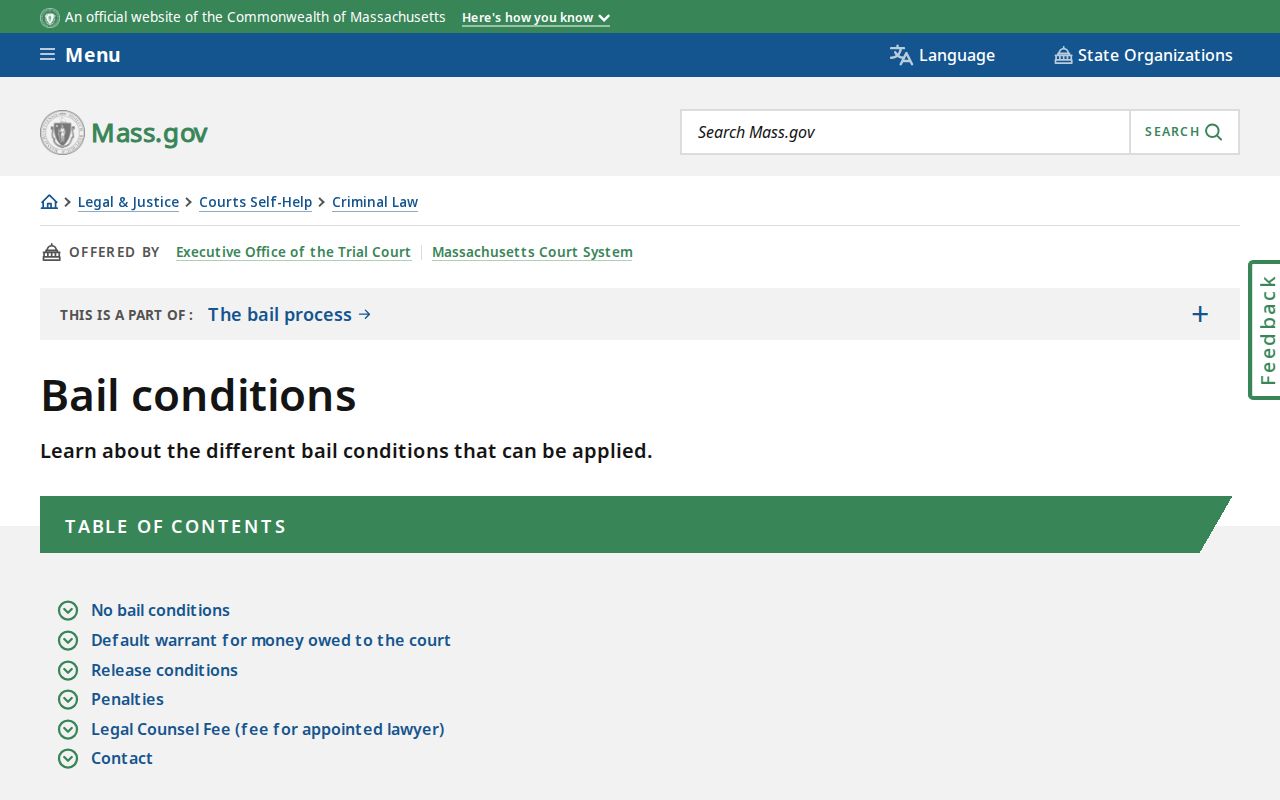
Treat the release conditions and the money owed as two separate obligations. In Middlesex County, paying one does not settle the other.
Key Rules:
Bail conditions: a judge or bail magistrate sets release terms after an arrest, based on the case and the person.
Quick Pay: electronic payment of a court balance does not remove an outstanding warrant.
Arrest Warrant vs Summons vs Bench Warrant
An arrest warrant, a summons, and a bench warrant take a Middlesex County case in very different directions, and the difference shows up in what happens next.
| Point | Arrest Warrant | Summons | Bench Warrant |
|---|---|---|---|
| How it starts | A complaint or indictment with probable cause | The same charging process, where an appearance is likely | A missed appearance or unpaid court obligation |
| What it means | An officer may take the person into custody | The person is told to come to court on a date | The court wants the person brought in on an open case |
| What happens next | Arrest, booking, bail, arraignment | A first appearance without an arrest | A recall, a new date, or an appearance on the old case |
Miss a date on either path and the result can be a bench warrant. That is why the issuing court stays at the center of the picture in Middlesex County.
Sealed Middlesex Warrants and Blank Searches
Some warrants never reach a public screen. Sealed and impounded documents, juvenile records, and law-enforcement-only entries stay out of view even though the case exists, and the trial court keeps its own list of records excluded from public access. So a blank result in a Middlesex County search means very little. The docket is a lead; the clerk is the answer. Note: Absence from a public docket is not a statement that no warrant exists.
What to Do About a Middlesex Warrant
A warrant with your name calls for the same response in Middlesex County no matter how you learned of it. Slow down. Check with the court, and get advice before you appear.
- Confirm the case through a Middlesex County warrant search, then call the Clerk's Office for the division that holds it.
- Speak with a criminal-defense attorney about a recall motion, a voluntary appearance, or a new date.
- Bring the case number, photo identification, and any paperwork you already have.
- After the court acts, ask for the docket entry that shows what happened.
Important: Do not ignore an arrest warrant and do not negotiate with a caller about it. An open warrant can lead to arrest anywhere in the state.
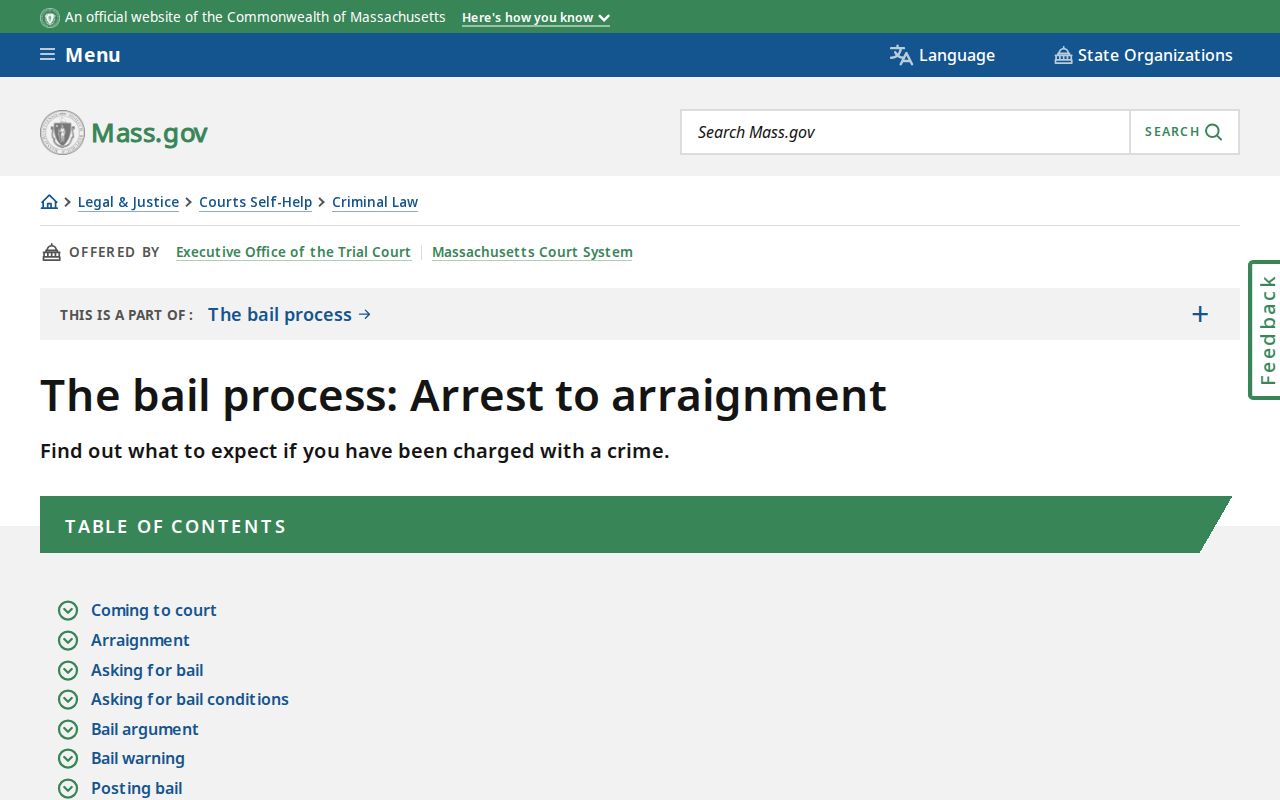
After an arrest on a Middlesex County warrant, the case moves through bail and a first appearance. A lawyer can explain each step before it arrives.
Federal Warrants in PACER and the Marshals
Federal warrants live outside the Massachusetts system. A Middlesex County docket search will never show one. A federal case is searched through PACER, the federal courts' case locator. The U.S. Marshals Service handles fugitive enforcement for the District of Massachusetts. Their Boston district office answers at 617-742-5533. Profiled-fugitive tips go to 1-888-869-4589 at any hour, and the two searches have to be run separately. The PACER page shows which dockets it covers.
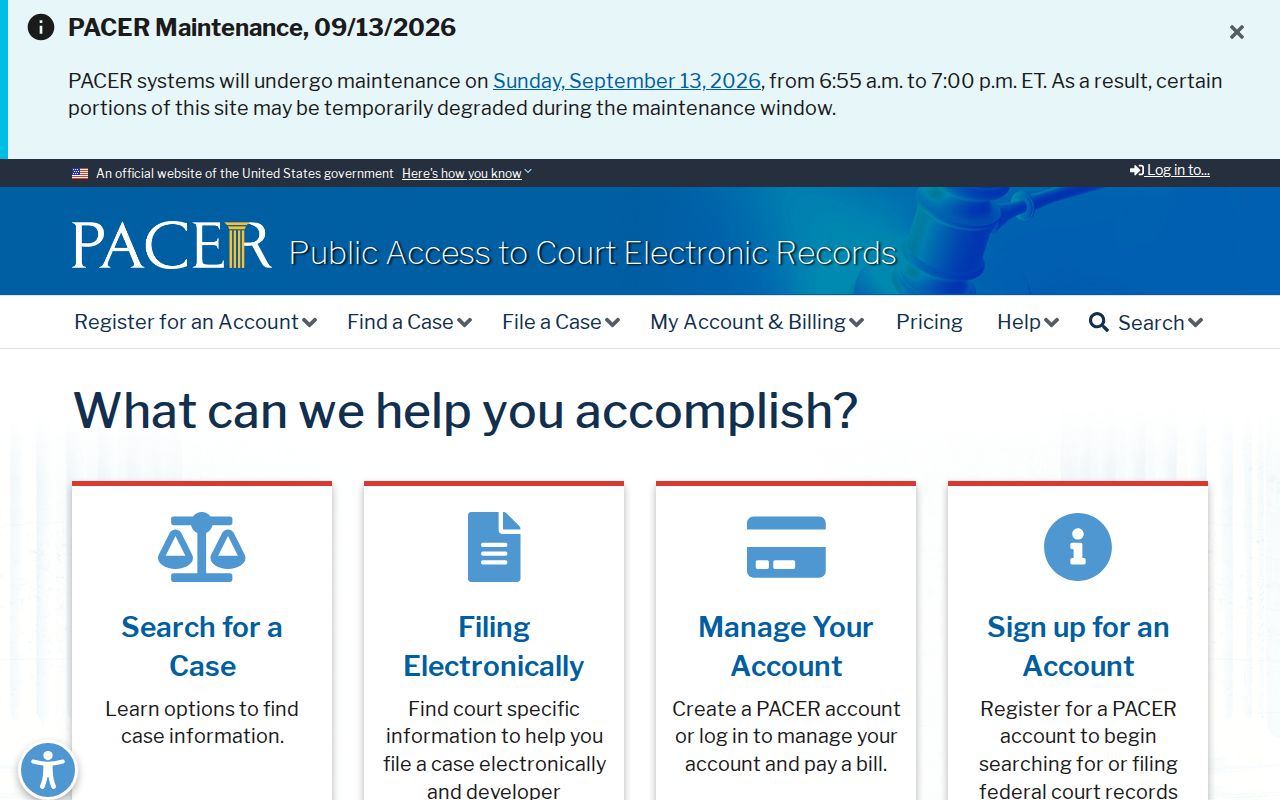
PACER covers federal dockets only. It charges for some searches, so it is no substitute for the Middlesex County state system.